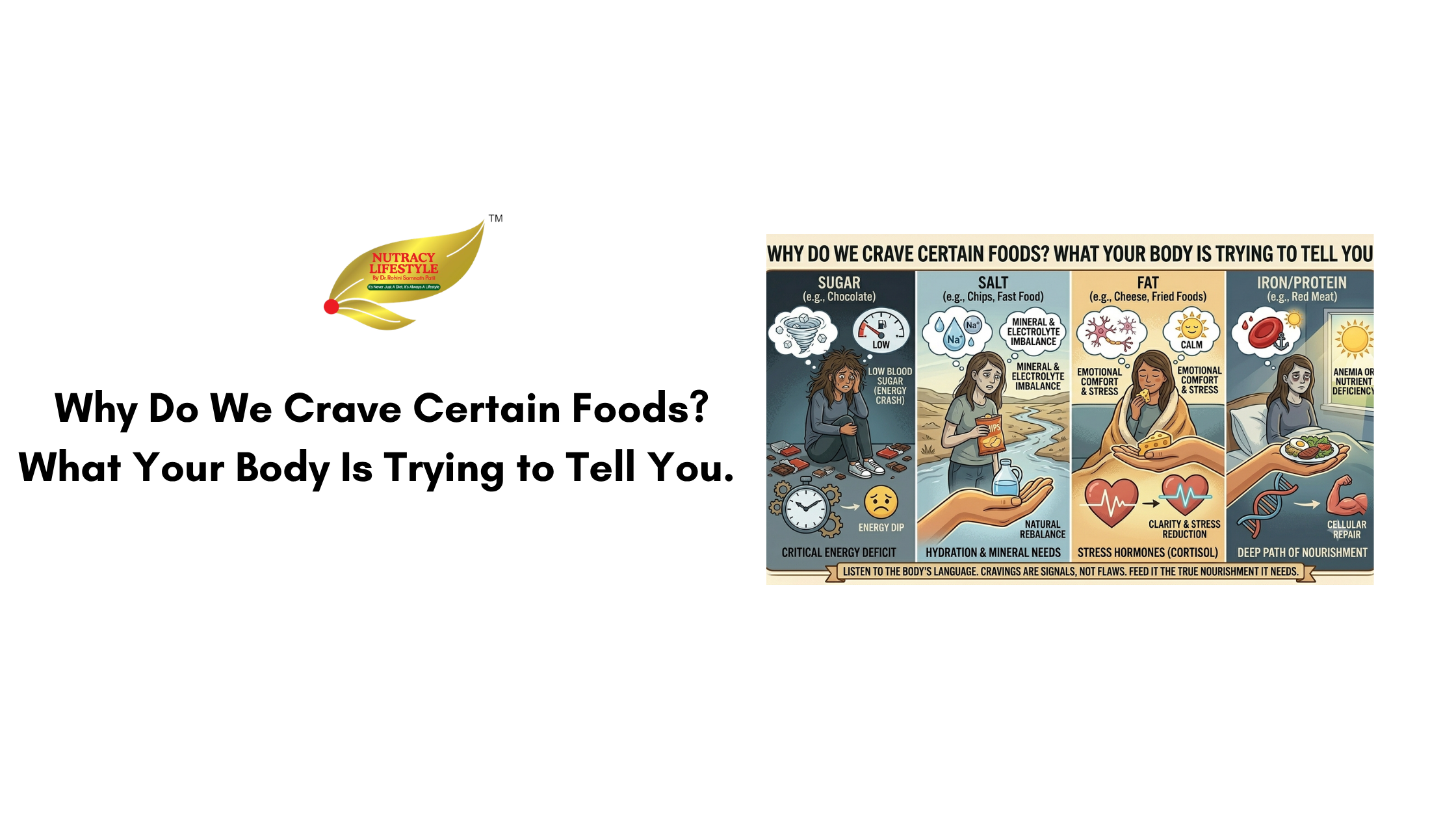
Ever found yourself craving chocolate after a long, stressful day or wanting something salty late at night? You're not alone. While many people believe cravings are the body's way of signaling a nutrient deficiency, science suggests that cravings are often influenced by emotions, stress levels, sleep quality, and even our daily habits. Cravings are more than feeling hungry
According to a review published in Current Nutrition Reports, cravings are often linked to psychological factors and food restriction rather than true nutrient deficiencies.
Why Do We Crave Certain Foods
1. Stress can make us crave certain foods
When we are stressed, the body releases cortisol, a hormone that can increase the desire for comfort foods such as sweets, chocolate, and fried snacks. These foods activate the brain's reward system and temporarily make us feel better.
2. Not sleeping well can increase our appetite
When we do not sleep well, it can affect the hormones that control how hungry we are, and we might want to eat foods that are high in calories. That is why when we stay up late, we often want to eat salty foods.
3. dieting can sometimes make things worse
Completely cutting out your favorite foods may actually have the opposite effect. Research suggests that strict food restrictions can make cravings stronger, causing you to think about those foods even more. Instead of eliminating foods entirely, enjoying them in moderation can help create a healthier and more sustainable relationship with eating.
4. Habits and memories matter
Sometimes we crave foods just because we are used to eating them. If we always eat ice cream when we watch movies, our brain will start to think that we need to have it every time we watch a movie.
Do cravings mean we are missing a nutrient
No, not always; most of the time our cravings are not because our body needs a nutrient. However, there are some exceptions.
- Sometimes when we crave ice, it can be because we do not have iron in our body.
- When we really crave salt, it can be because our body is losing much sodium or because we have a certain medical condition.
If we have cravings that are not normal, we should talk to a doctor.
How to manage food cravings
- We should eat meals that have a balance of protein and fiber.
- We should not skip meals.
- We should try to sleep for 7 to 9 hours every night.
- We should find ways to manage stress like exercising or meditating.
- We should try to eat rather than following strict rules about what we can and cannot eat.
The Takeaway
Food cravings are your body's way of communicating, but they don't always mean you're lacking a specific nutrient. More often, cravings are influenced by emotions, stress, sleep patterns, and the foods we regularly eat. By understanding the reasons behind our cravings, we can make healthier choices and build a positive relationship with food without guilt or fear around the foods we enjoy.