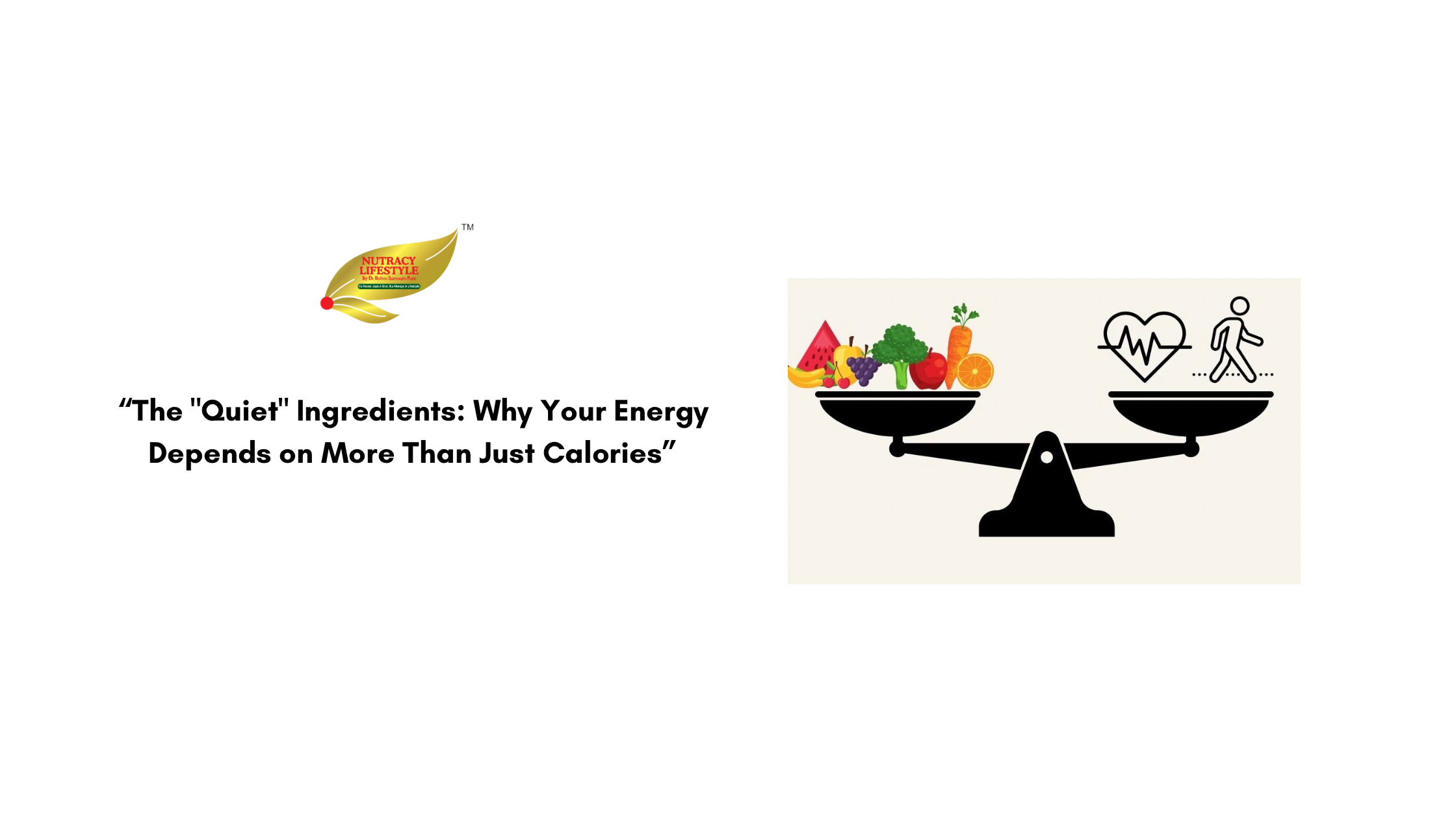
We have been taught to look at nutrition like a math problem. We count the calories, we track the protein, and we measure the fats. We focus on the big things, the "macros" because they are easy to see and easy to put on a label.
But have you ever had a day where you ate "perfectly" according to the numbers, yet you still felt exhausted, irritable, or foggy?
That is because your body doesn't just run on fuel; it runs on spark plugs. In the world of nutrition, these are the micronutrients and phytonutrients—the quiet ingredients that don't have a calorie count but determine exactly how you feel when you wake up in the morning.
The "Empty" Full Plate
Imagine a car with a full tank of petrol but rusty spark plugs and no oil. You can press the accelerator as hard as you want, but you isn't going anywhere fast.
This is what happens when we eat highly processed "health" foods. They give us the calories (the petrol), but they are missing the minerals and vitamins (the spark plugs) that allow our cells to actually turn that food into energy.
When you eat a piece of fruit or a bowl of fresh vegetables, you aren't just eating "fiber" or "carbs." You are eating a complex package of information.
The Bio-Diversity Advantage
Your gut microbiome, the trillions of tiny organisms living inside you—is responsible for everything from your mood to your immune system. And these organisms are picky eaters.
They don't want more of the same three ingredients (wheat, corn, and soy) that make up 90% of the modern diet. They want diversity. Every different color in a plant represents a different type of antioxidant or polyphenol.
- The Purples (Beetroot, Grapes): Support your brain and heart.
- The Greens (Spinach, Broccoli): Help your liver detoxify and protect your cells.
- The Oranges (Carrots, Pumpkin): Support your eyes and skin health.
When you eat a variety of colors, you aren't just "eating healthy." You are sending a diverse team of specialists into your body to handle different maintenance tasks.
Reclaiming the Ritual of Eating
In our rush to be "efficient," we have turned eating into a secondary activity. We eat while we work, while we drive, or while we scroll. But your nervous system needs to be in a "Rest and Digest" state to actually absorb the nutrients you are giving it.
If you are stressed while you eat, your body shunts blood away from your stomach and toward your muscles. You could be eating the most expensive organic meal in the world, but if you are stressed, you won't absorb half of it.
The best "supplement" you can take this week costs zero Rupees: A deep breath. Taking just three deep breaths before your first bite signals to your brain that it is safe to eat. It turns on your digestive enzymes and prepares your gut to do its job.
3 Simple Acts for Cellular Health
- The "One New Thing" Rule: Every time you go to the market, buy one vegetable or fruit you haven't eaten in a month. This small act of diversity keeps your gut microbiome resilient.
- The Herb Hack: Fresh herbs like coriander, mint, or parsley are nutritional powerhouses. They have some of the highest antioxidant counts of any food. Don't just use them as a garnish; treat them like a leafy green and use them generously.
- The Salt Switch: Instead of highly refined table salt, try using a small amount of sea salt or rock salt. It contains trace minerals that your body needs for proper hydration and nerve function.
The Takeaway: You are a living, breathing biological wonder. You are not a machine that just needs "input." You need variety, you need minerals, and you need a moment of peace to let it all sink in. This week, stop counting and start nourishing.