Have you ever noticed that stress does not just affect your mind? It can also upset your stomach, change your appetite, and leave you feeling drained. While we often think of mental well-being and digestion as separate issues, science is revealing that they are more connected than we once believed.
At the center of this connection lies an unexpected player: your gut.
Understanding the gut–brain connection
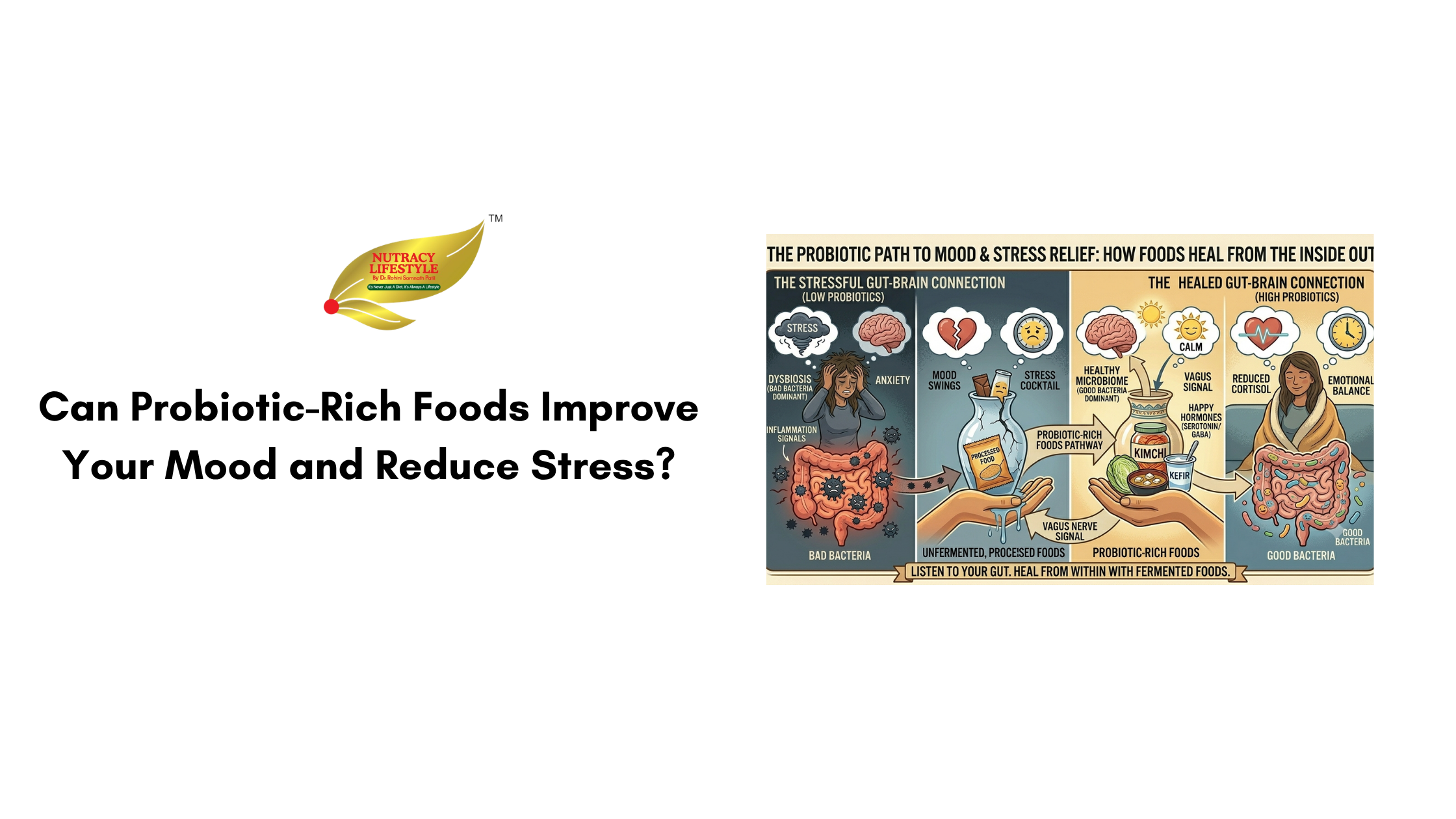
Your digestive system and brain are constantly communicating through what researchers call the gut-brain axis. Trillions of bacteria living in your gut help regulate not only digestion but also immune function, inflammation, and even the production of certain chemicals that influence mood.
In fact, a large portion of the body's serotonin, often referred to as the "feel-good hormone," is produced in the gut. When the balance of gut bacteria is disrupted due to stress, poor diet, lack of sleep, or illness, it may affect both physical and emotional health.
This is where probiotic-rich foods come into the picture.
What are probiotics?
Probiotics are beneficial microorganisms that support a healthy balance of bacteria in the gut. They are naturally present in fermented foods and may help maintain digestive health and support overall well-being.
Common probiotic-rich foods include:
Curd or yogurt with live cultures, Buttermilk, Kefir, Kimchi, Sauerkraut, Fermented pickles,
Traditional fermented foods such as idli and dosa batter
These foods have been part of many cultures for generations, long before the term "probiotics" became popular.
Can probiotics help reduce stress?
Emerging research suggests that maintaining a healthy gut microbiome may play a role in supporting emotional well-being. Some studies have shown that certain beneficial bacteria may help regulate stress responses and reduce inflammation, which is often linked to chronic stress.
Although probiotics are not a treatment for anxiety, depression, or other mental health conditions, they may contribute to a healthier internal environment that supports resilience and overall wellness.
Think of probiotics as one piece of the puzzle, not a magic solution, but a helpful addition to a balanced lifestyle.
Foods alone are not enough
Stress management goes beyond what is on your plate. Adequate sleep, regular physical activity, mindful eating, and social connections all influence mental health.
A nourishing diet combined with healthy lifestyle habits creates a stronger foundation for both body and mind.
Simple ways to include more probiotic foods
You do not need expensive supplements to support your gut health. Start with small, sustainable changes:
- Include a bowl of curd with lunch or dinner.
- Enjoy a glass of buttermilk during hot weather.
- Add naturally fermented foods to your meals.
- Pair probiotics with fiber-rich foods like fruits, vegetables, whole grains, and legumes, which act as fuel for beneficial gut bacteria.
Consistency matters more than perfection.
The Takeaway
The connection between gut health and mental well-being is an exciting area of research. While probiotic-rich foods cannot eliminate stress, they may help support a healthier gut environment, which in turn can positively influence mood and overall well-being.
Sometimes, caring for your mind begins with caring for your gut.
Small daily choices such as eating nourishing foods, getting enough rest, and managing stress mindfully can make a meaningful difference over time.