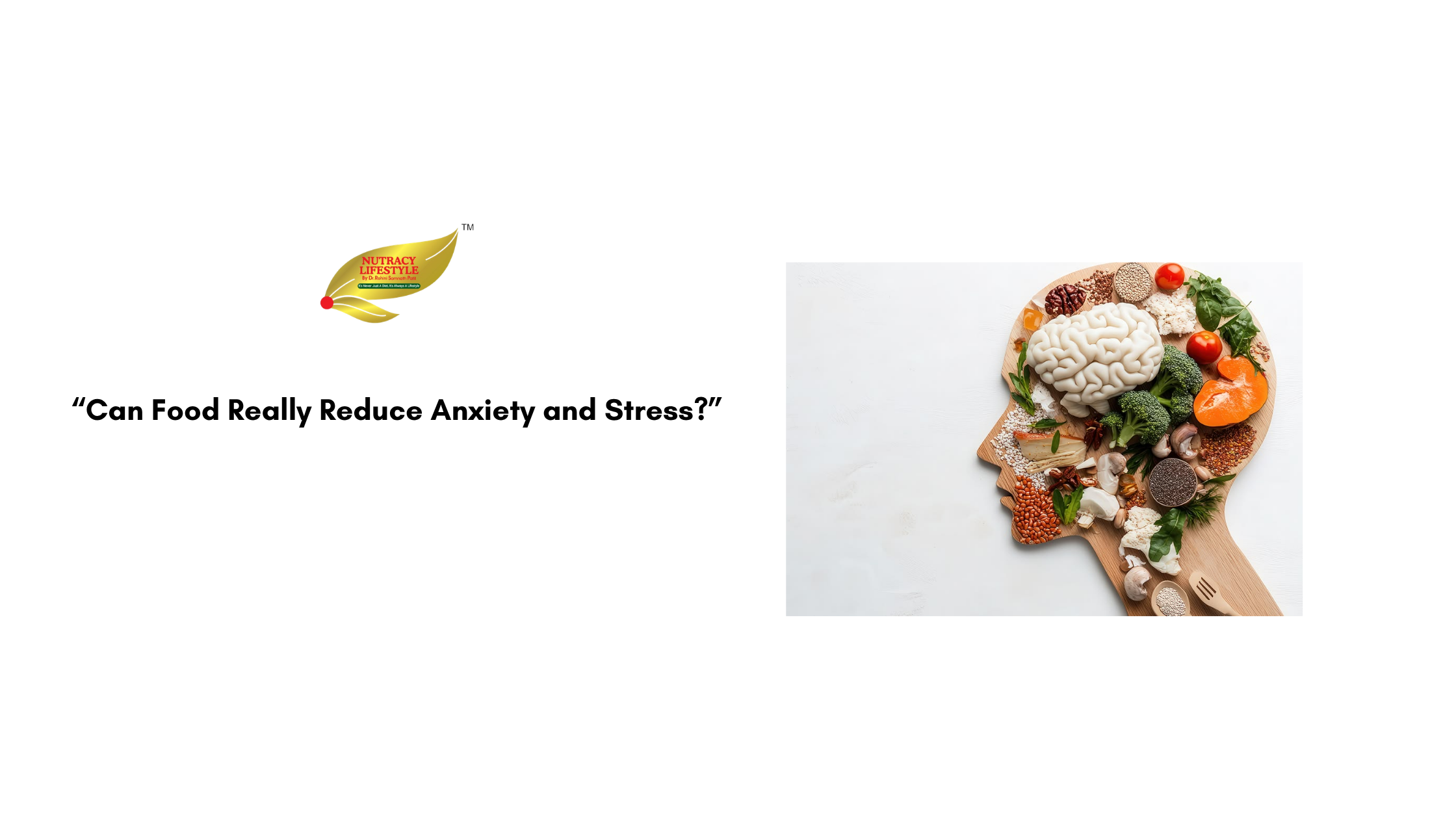
Stress and anxiety have become a part of everyday life—but what you eat may be influencing how you feel more than you realize. While food is not a replacement for medical care, it plays a powerful role in supporting mental well-being.
Your brain needs a steady supply of nutrients to function properly. When your diet is high in refined sugars and processed foods, it can lead to energy crashes, mood swings, and increased stress levels. On the other hand, balanced meals help stabilize blood sugar, which directly impacts your mood and focus.
Certain nutrients are especially important. Magnesium helps relax the nervous system, omega-3 fatty acids support brain health, and B vitamins play a key role in energy and mood regulation. A deficiency in these can make you feel more anxious or mentally drained.
Gut health is another major factor. The gut and brain are closely connected, and an unhealthy gut can influence stress responses. Including fiber-rich foods, fruits, vegetables, and fermented foods can support better gut health and, in turn, improve emotional balance.
Hydration also matters. Even mild dehydration can affect concentration and increase feelings of fatigue and irritability.
The key is consistency, not perfection. Regular, balanced meals with whole foods, adequate protein, healthy fats, and proper hydration can help your body manage stress more effectively.
Food alone won’t eliminate anxiety—but it can create a strong foundation for a calmer, more resilient mind.